
Fascia: The Body’s Hidden Web of Connection
When we think about the body, we often focus on muscles, joints, or bones. But there’s another vital system that quietly supports everything we do, yet is often overlooked: fascia. In holistic therapy and massage, fascia plays a central role in how we move, feel, and heal.
So, what exactly is fascia, and why does it matter so much?
What Is Fascia?
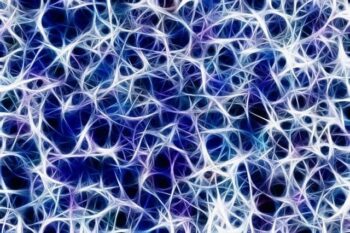
Fascia is a continuous, three-dimensional web of connective tissue that runs throughout the entire body. It surrounds and supports muscles, bones, organs, nerves, and blood vessels, holding everything in place while allowing freedom of movement.
Think of fascia like a fine, flexible fabric woven through you from head to toe. It’s not separate pieces—it’s one interconnected system. This means tension or restriction in one area can affect the body somewhere else entirely.
Fascia is made primarily of collagen, elastin, and fluid, giving it both strength and elasticity. When healthy, it’s supple, hydrated, and responsive. When stressed or neglected, it can become tight, sticky, or dehydrated.
What Does Fascia Do?
Fascia has many essential roles in the body:
- Supports structure – It helps maintain posture and alignment.
- Enables movement – Healthy fascia allows muscles to glide smoothly over one another.
- Transmits force – Movement is not just muscle-based; fascia helps distribute force efficiently through the body.
- Protects and cushions – It provides a protective layer around organs and tissues.
- Communicates with the nervous system – Fascia contains many sensory receptors, making it highly responsive to touch, pressure, and emotional stress.
Because fascia is so richly innervated, it plays a significant role in how we experience pain, tension, and even body awareness.
Why Does Fascia Matter?
Modern lifestyles can be challenging for our fascia. Long hours sitting at desks, repetitive movements, lack of varied exercise, stress, injury, or trauma can all lead to fascial restriction.
When fascia becomes tight or restricted, it can:
- Limit mobility and flexibility
- Create chronic aches and pains
- Contribute to poor posture
- Increase injury risk
- Affect circulation and lymphatic flow
- Hold emotional tension and stress
Because fascia is continuous, a restriction in the feet can influence the hips, back, neck, or jaw. This is why pain doesn’t always originate where it’s felt—and why holistic approaches are so effective.
How Does Massage Help Your Fascia?
Massage therapy is one of the most powerful ways to support fascial health.
Unlike muscles, fascia responds best to slow, sustained, mindful pressure rather than fast or forceful techniques. Skilled massage therapists work with the fascia to encourage it to soften, lengthen, and rehydrate.
Massage can help fascia by:
Releasing Restrictions
Gentle, sustained pressure allows fascia to melt and release areas of tightness or adhesions that may have built up over time.
Improving Hydration
Fascia thrives on fluid movement. Massage encourages better circulation and lymphatic flow, helping fascia become more supple and elastic.
Restoring Movement
By freeing fascial restrictions, massage improves overall mobility, posture, and ease of movement—often in ways clients feel immediately.
Reducing Pain and Tension
Because fascia is closely linked to the nervous system, massage can calm overactive pain responses and promote deep relaxation.
Supporting Emotional Wellbeing
Fascia can hold emotional stress as well as physical tension. Many people experience emotional release or a profound sense of calm during fascial-focused massage.
A Holistic Approach to Fascia Care
At a holistic therapy centre, fascia is never treated in isolation. Massage works best alongside mindful movement, breathwork, hydration, rest, and stress management. Together, these practices support the body’s natural ability to heal and rebalance.
By caring for your fascia, you’re not just easing tight muscles—you’re supporting your whole body, from physical comfort to emotional wellbeing.
Listening to Your Body
Fascia reminds us that the body is deeply interconnected. When we listen to its signals and offer it the right kind of care, we often discover more freedom, resilience, and ease than we thought possible.
Massage isn’t just a luxury—it’s a way of maintaining the health of this vital, intelligent system that holds us together.